When I started working at MGH in Boston in orientation they told us the story of how amazing it was to be in this great city of medicine. Then our orientation leader asked us to name the two hospital in Boston named after physicians. They gave us a hint that it was neither hospital was part of Partners. Because I didn’t know, I did my own research and looked it up.
In 1948, a diagnosis of Acute Lymphoblastic Leukemia (ALL) in a child was essentially a death sentence. There was no cure. Almost every child diagnosed with ALL died, often within months.
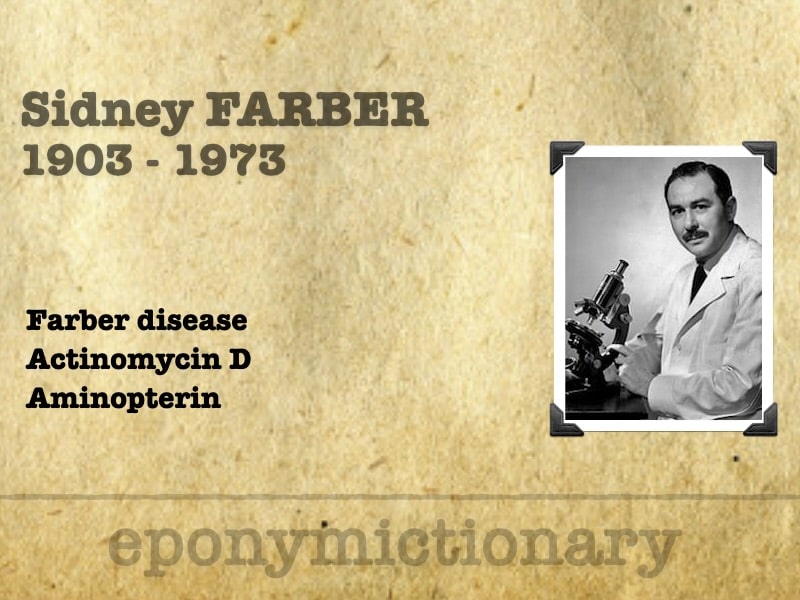
Then a pathologist named Sidney Farber tried something new. Farber believed that a drug that interfered with folic acid might slow the uncontrolled growth of leukemia cells. He treated children with an antifolate drug called aminopterin.
Spolier — It worked.
The children weren’t cured. The leukemia eventually returned, but for the first time, doctors had demonstrated that a drug could drive childhood leukemia into remission.
Other researchers built on it. They combined drugs so leukemia couldn’t escape as easily. They learned how to prevent the disease from hiding in the brain and spinal cord. They refined doses and treatment schedules. They developed better antibiotics, transfusions and supportive care to get children through treatment. And generations of children and their families participated in clinical trials that taught doctors how to do better for the next child.
Sidney Farber died in 1973. The cancer institute that bears his name, Dana-Farber Cancer Institute continued the work he helped begin.
Today, more than 90% of children diagnosed with ALL survive at least five years, and most are cured. Think about what that means.
Within a human lifetime, medical research took a childhood cancer that killed virtually everyone who got it and transformed it into one that the overwhelming majority of children survive.
Farber didn’t discover the cure. He showed that a cure might be possible. And then thousands of people spent decades proving him right. There’s another important historical point relevant to the Farber: the enormous improvement in childhood ALL survival isn’t primarily because we’re catching it earlier.
We got dramatically better at curing children who already have leukemia. That’s what makes the ALL story so remarkable. And it’s part of one of the greatest stories ever told.
Leave a Reply